
16th (Service) Battalion Highland Light Infantry
July 1 1916
1st July 1916 - The 16th (Service) Battalion H.L.I. (Highland Light Infantry) with 25 Officers and 755 other ranks, relieved the 2nd Battalion K.O.Y.L.I. (King's Own Yorkshire Light Infantry) on the night of 30th June / 1st July 1916, taking over from them the trench system extending from SKINNER STREET, point R.31.s.14., to TYNDRUM STREET, point R.31.c.05., (approximately 500 yards of front). Casualties during relief :- 1 Other Ranks Killed, 2 Other Ranks Wounded.
Before midnight, Lieutenant Bogue and 2 other ranks reconnoitered the German Wire, and found that the wire was very much broken down, and that there were numerous gaps in it. They reported that they anticipated no difficulty in getting through the wire.
During the whole night we bombarded the enemy's trenches heavily, to which he retaliated feebly. At 6.25 a.m. the bombardment prior to the advance commenced, and continued until ZERO TIME at 7.30 a.m. During that time our front line and communication trenches were badly shelled by H.E. (High Explosive) Shrapnel, and Minenwerfer (Mortar). The advance commenced at 7.30 a.m. "A" Company leading on the right, with "C" Company in support, and "B" Company on the left, with "D" Company in support. On our right were the 17th (Service) Battalion H.L.I. (Highland Light Infantry)., and on our left the 16th (Service) Battalion Northumberland Fusiliers. The 2nd Battalion K.O.Y.L.I. (King's Own Yorkshire Light Infantry) were in support, and the 11th (Service) Battalion Border Regiment were in Reserve. The enemy opened heavy Machine Gun and Rifle Fire as soon as our men jumped over the parapet (front of the trench), and manned their parados (back of the trench) with bombers, with men at 2 yards interval. Our Platoons advanced in waves in extended order, and were simply mowed down by Machine Gun Fire, and very heavy casualties resulted. On the left the Support Company got close up to the German Wire, but were unable to advance. On the right we succeeded in entering the German Trenches, where we were in touch with the 17th (Service) Battalion H.L.I. (Highland Light Infantry), and where we remained until relieved by the 2nd Battalion Manchester Regiment.
On our left the men took what cover they could in Shell holes, firing on the enemy whenever he showed himself. One of our Lewis Gunners fired 24 Magazines of Ammunition (47 rounds per Magazine), when it was finished, being the only one of his section left he crawled back under cover of darkness, bringing the Gun with him.
During the day all available men were organised into Bombing Posts, and were prepared to offer every resistance should the enemy have made any attempt to counter attack. The Artillery were informed of our position, and during the afternoon bombarded the front line opposite us very heavily. The Germans were very active with Machine Gun, Rifle Fire, Bombs and "Oil Cans" on "No Man's Land," sniping at any man who made any movement.
In retaliation to our bombardment in the afternoon our trenches were heavily shelled. This decreased during the night, but was renewed again between 3 and 5 a.m. Numerous flares were sent up during the night, including many red and green. The enemy were very much on the alert, and kept "No Man's Land" under continuous fire. We were in touch with the 15th (Service) Battalion Lancashire Fusiliers on our left, and the 2nd Battalion K.O.Y.L.I. (King's Own Yorkshire Light Infantry) on our right.
Colonel Laidlaw after being wounded was evacuated about 8 a.m., and Major Kyle joined the Battalion and took over command about 5 p.m.
Our casualties during the day were 20 Officers, and 534 Other Ranks.
Source: National Archives
War Diary Pages
| Page | Link |
|---|---|
16th (Service) Battalion War Diary (cover) (1) |
— |
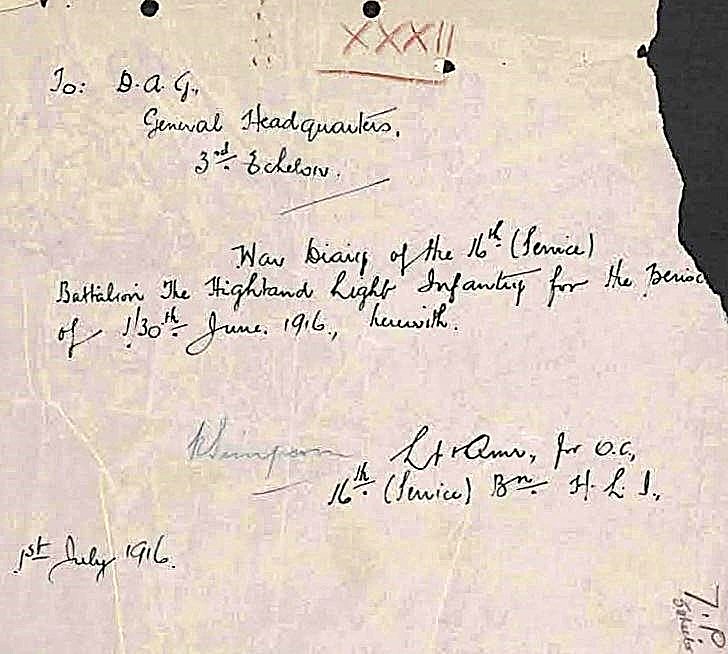
16th (Service) Battalion War Diary (inside cover) (2) |
— |
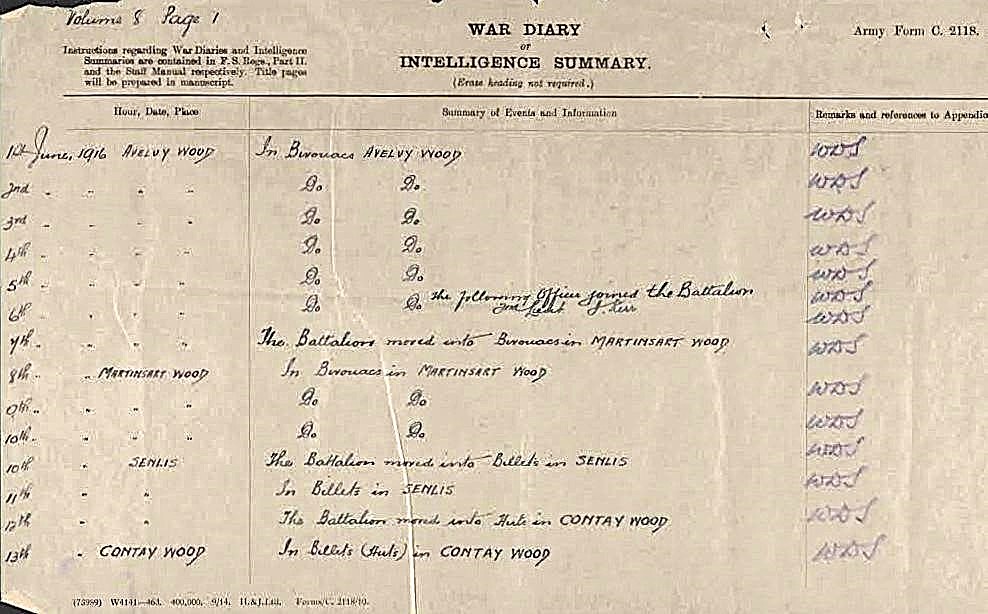
16th (Service) Battalion War Diary (1st to 13th June 1916) (3) |
— |
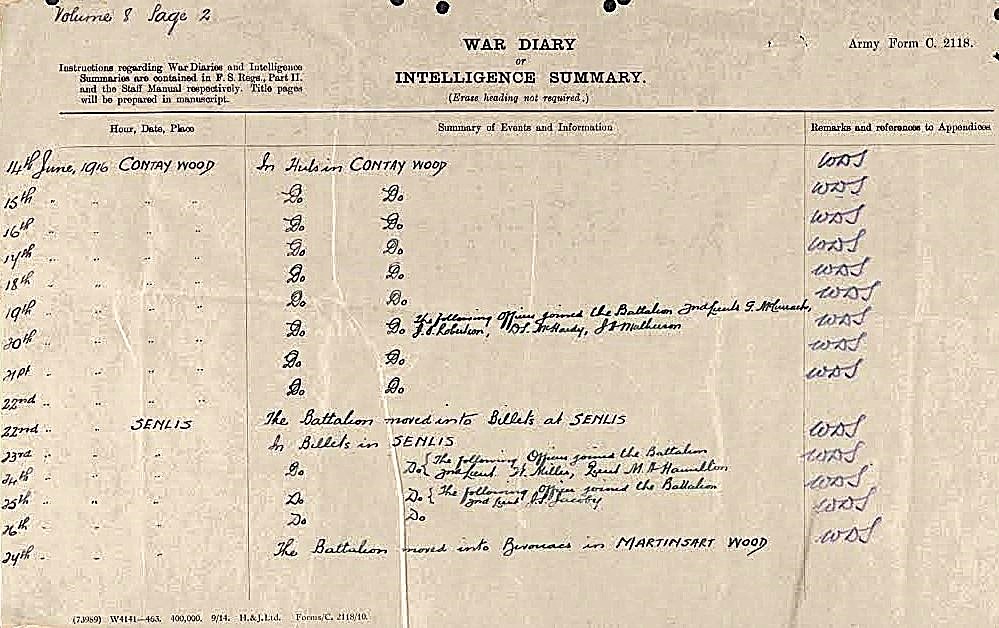
16th (Service) Battalion War Diary (14th to 27th June 1916) (4) |
— |
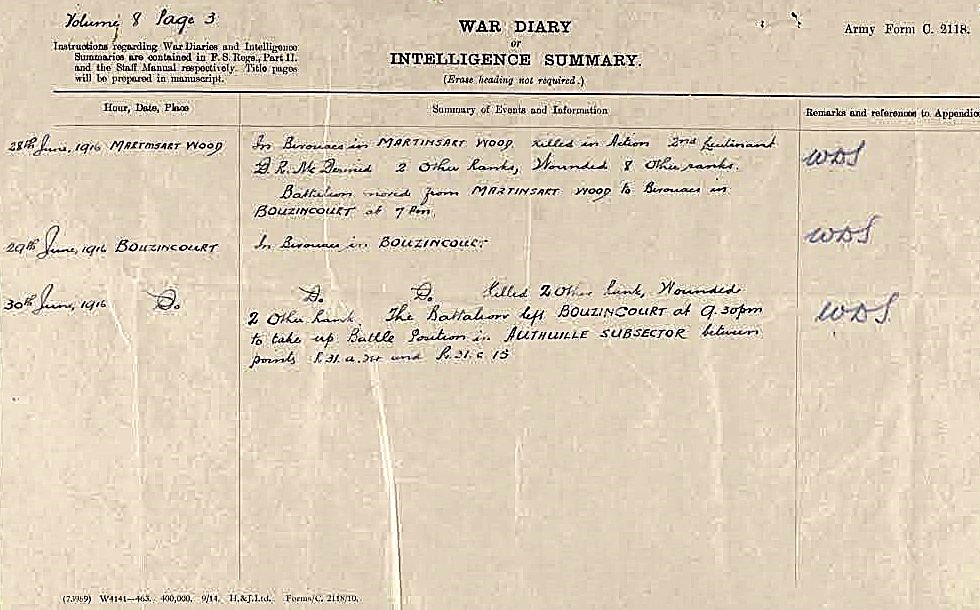
16th (Service) Battalion War Diary (28th to 30th June 1916) (5) |
— |
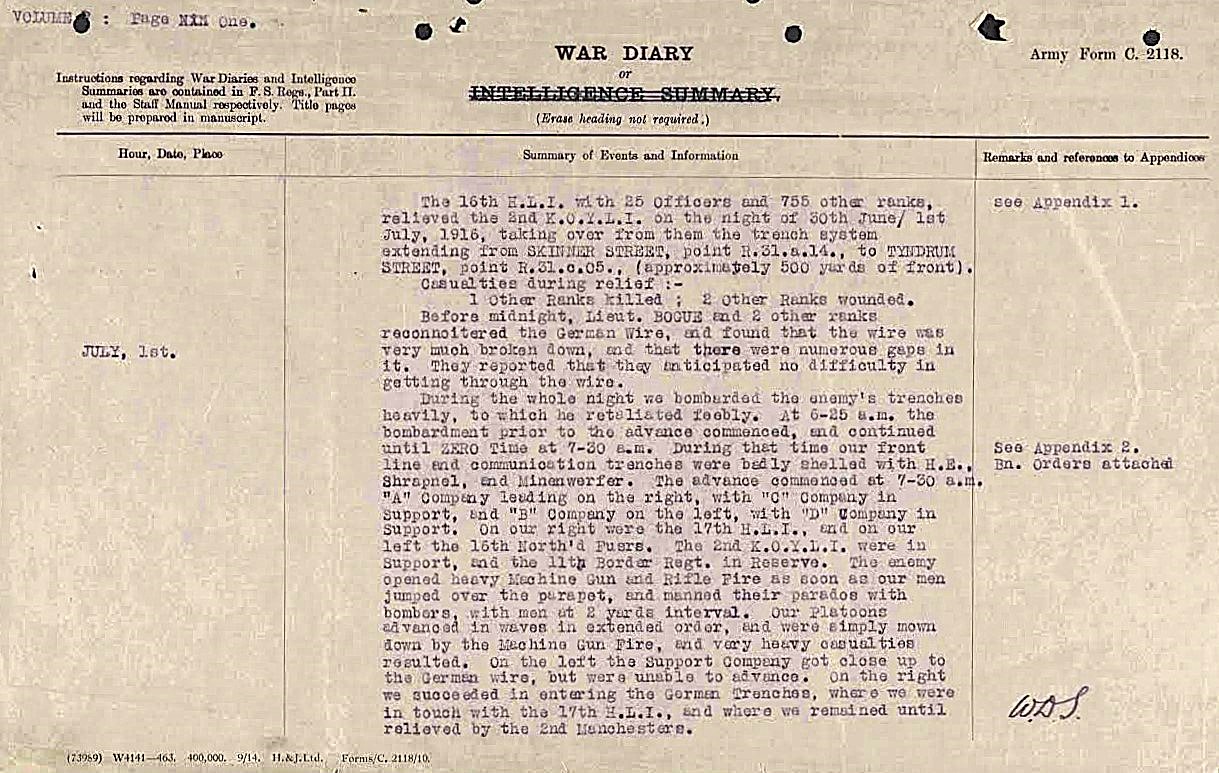
16th (Service) Battalion War Diary (1st July 1916) (6) |
— |
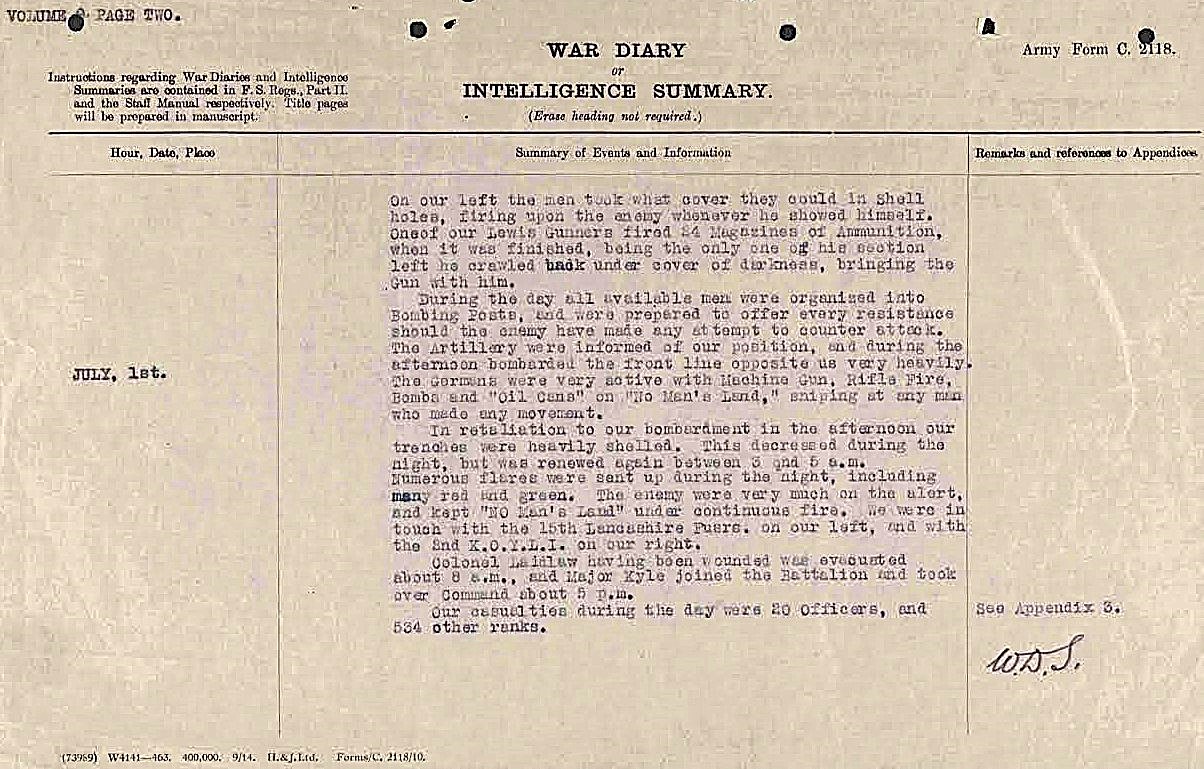
16th (Service) Battalion War Diary (1st July 1916) (7) |
— |
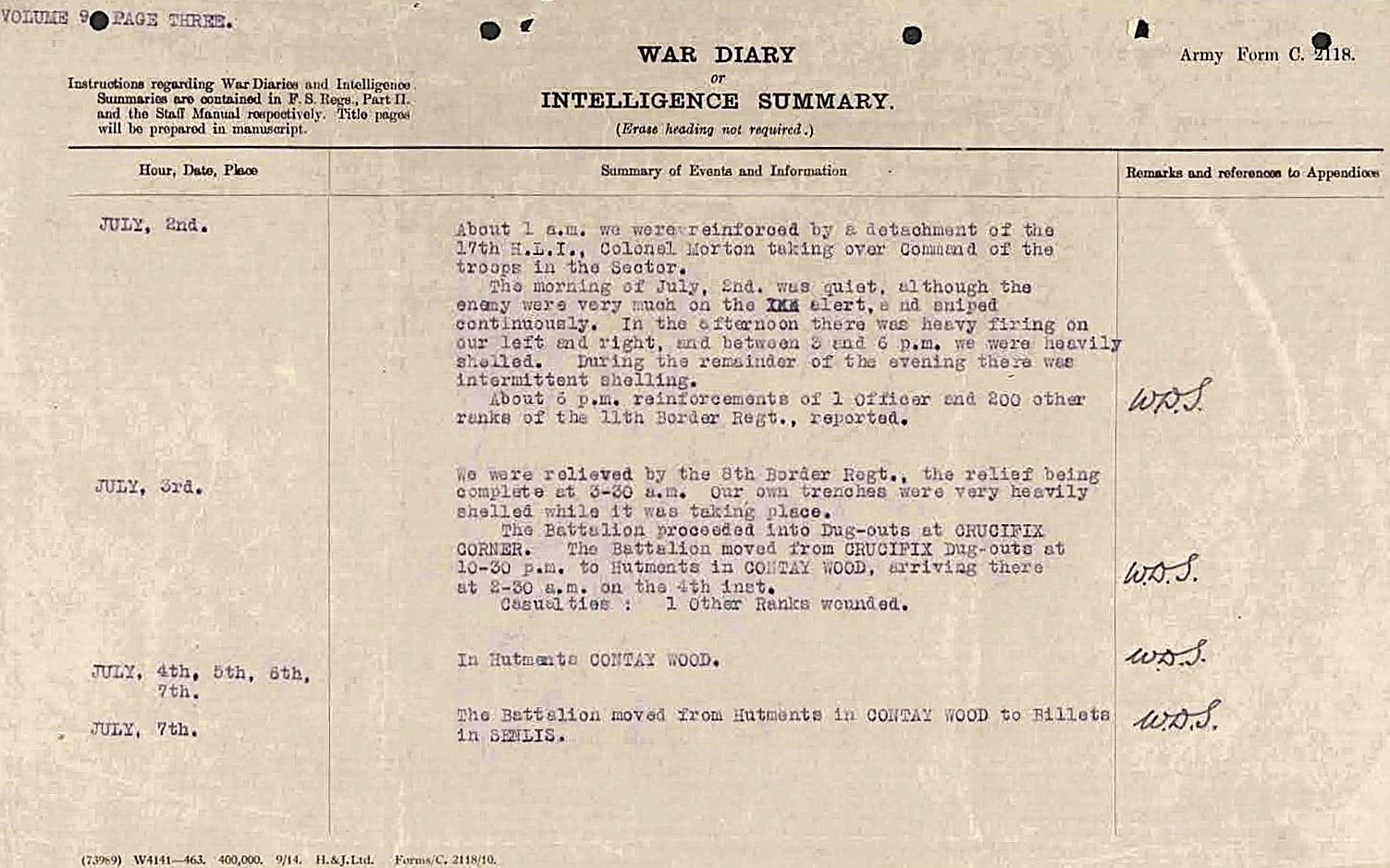
16th (Service) Battalion War Diary (2nd to 7th July 1916) (8) |
— |
War Diary Appendices 1, 2, 3 (cover) (1) |
— |
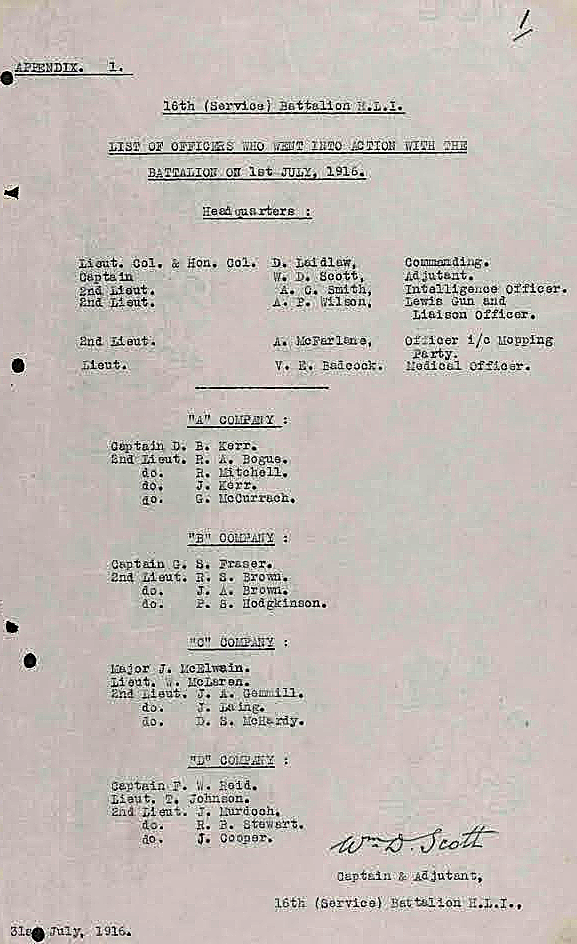
War Diary Appendix 1 (List of Officers 1st July 1916) (1) |
— |
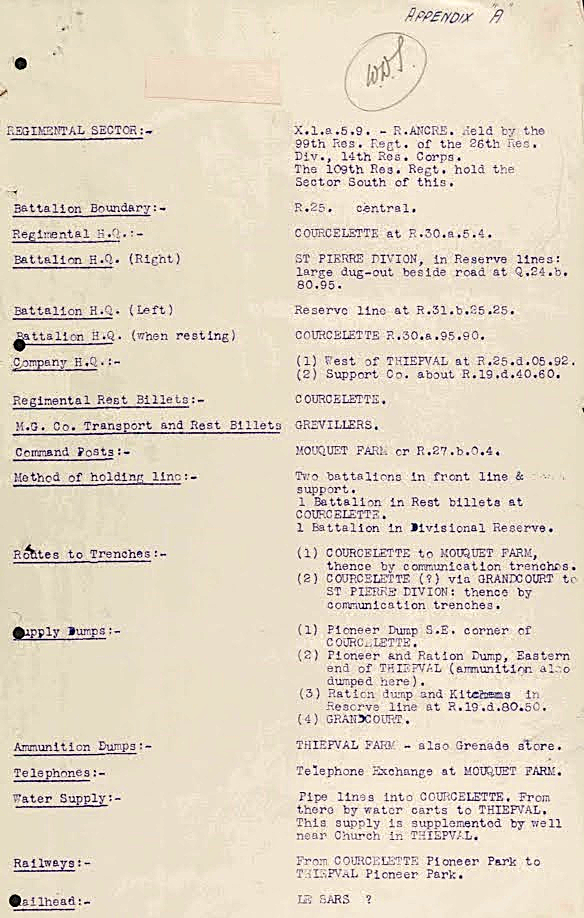
War Diary Appendix 1A (2) |
— |
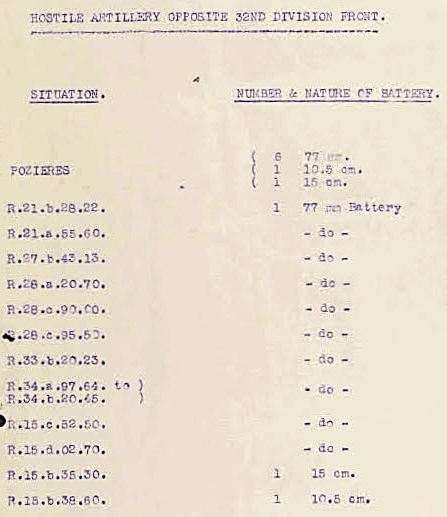
War Diary Appendix 1 (Hostile Artillery 1st July 1916) (3) |
— |
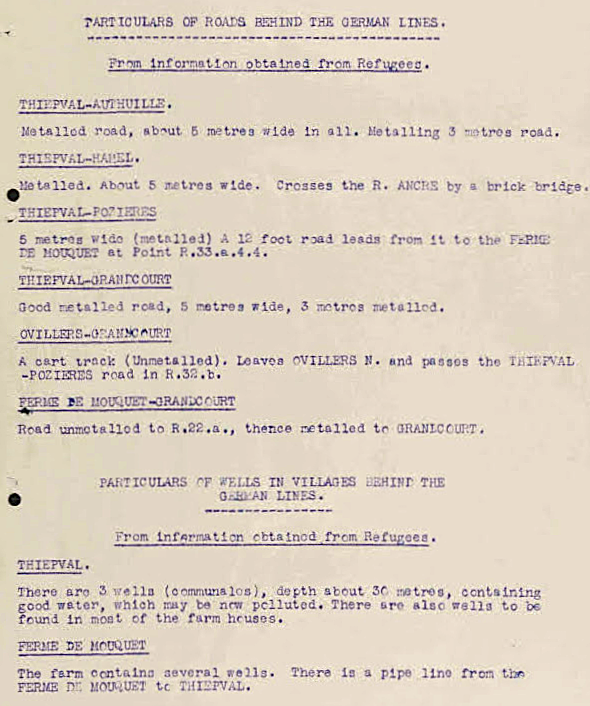
War Diary Appendix 1 (Particulars of roads behind German lines) (4) |
— |
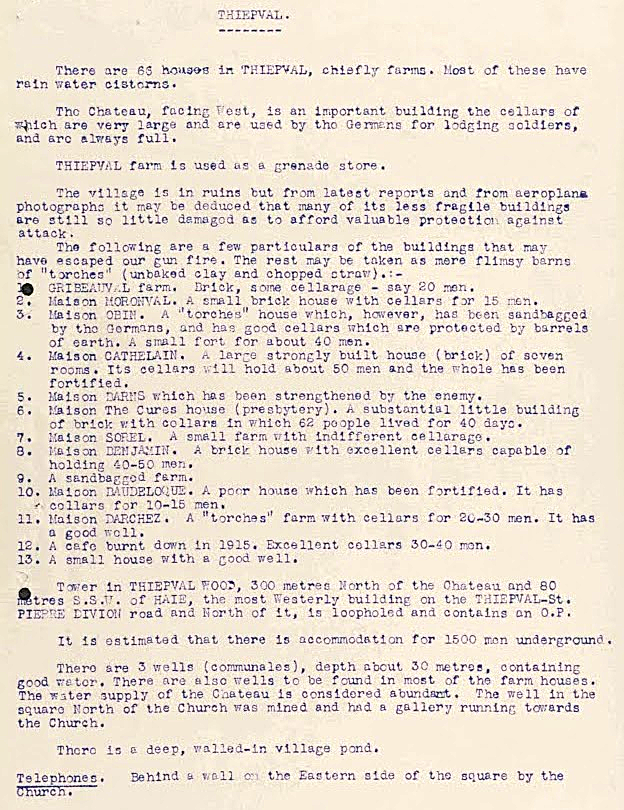
War Diary Appendix 1 (Thiepval) (5) |
— |
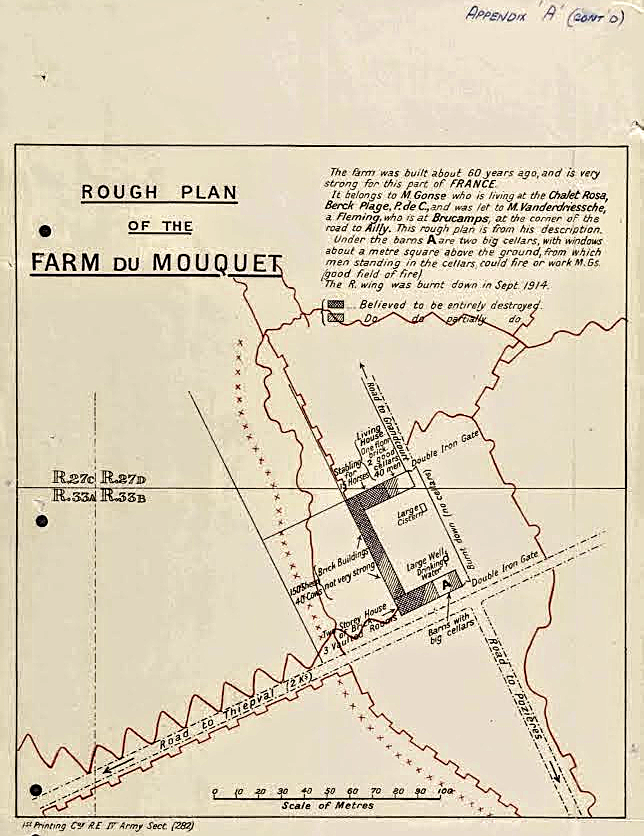
War Diary Appendix 1 (Rough Plan of the Farm du Mouquet) (6) |
— |
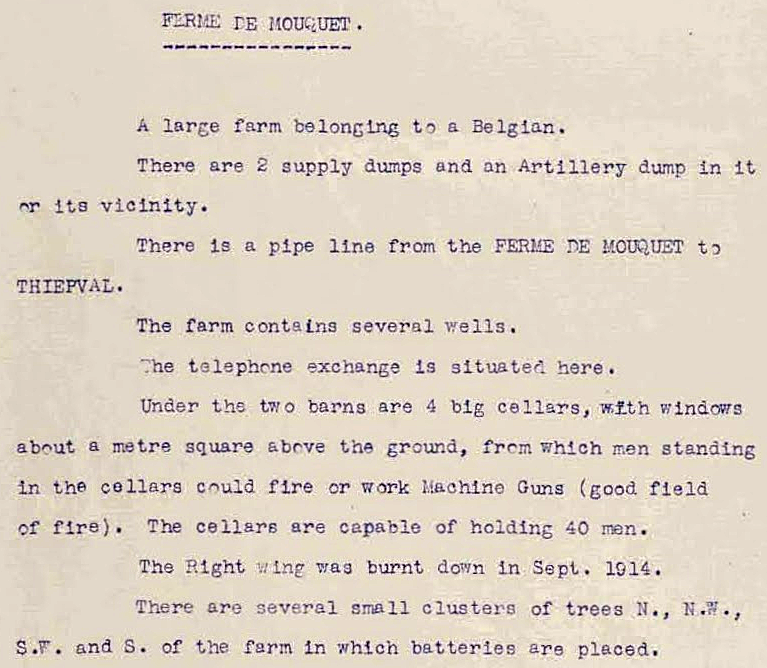
War Diary Appendix 1 (Farm du Mouquet) (7) |
— |
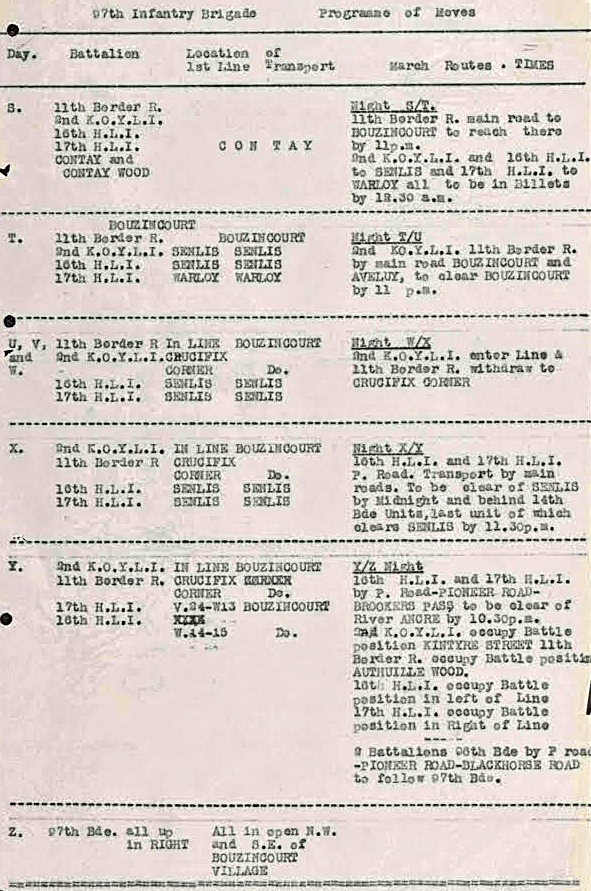
War Diary Appendix 1 (Programme of moves the evening before 1st July 1916) (8) |
— |
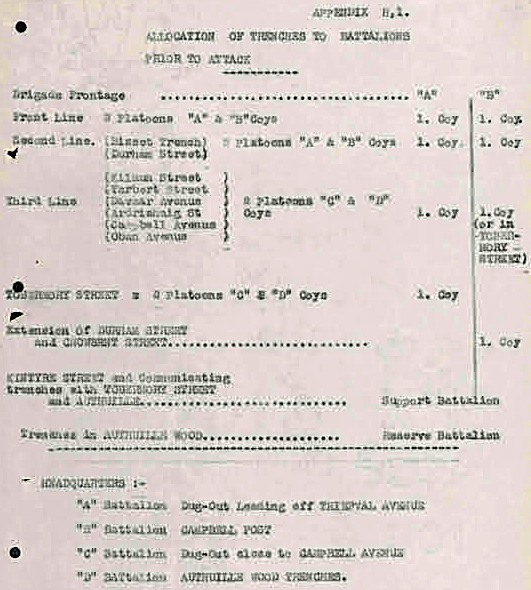
War Diary Appendix 1 (Allocation of Trenches to Battalions prior to attack) (9) |
— |
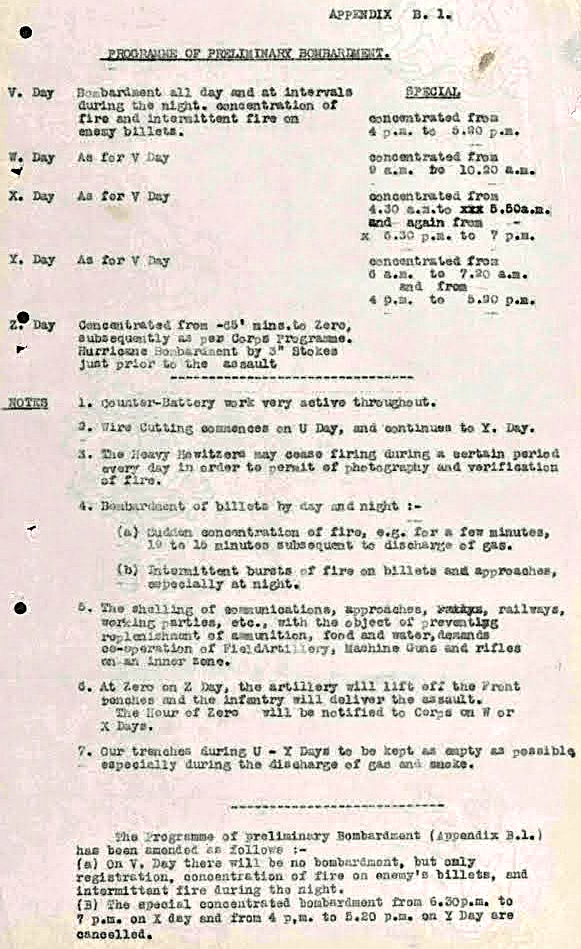
War Diary Appendix 1 (Programme of Preliminary Bombardment 1st July 1916) (10) |
— |
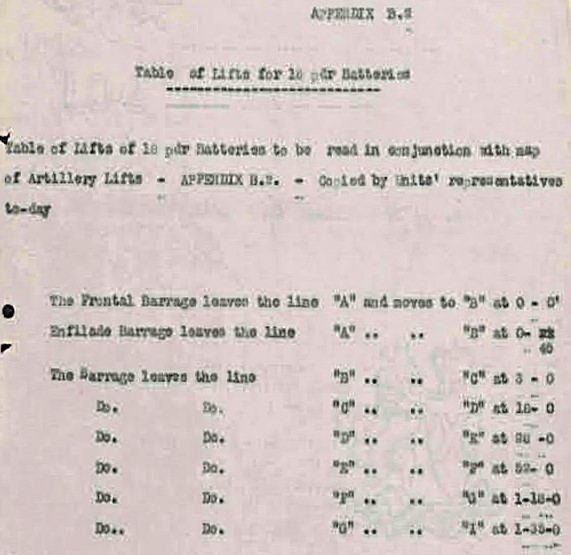
War Diary Appendix 1 (Table of Lifts for Batteries 1st July 1916) (11) |
— |
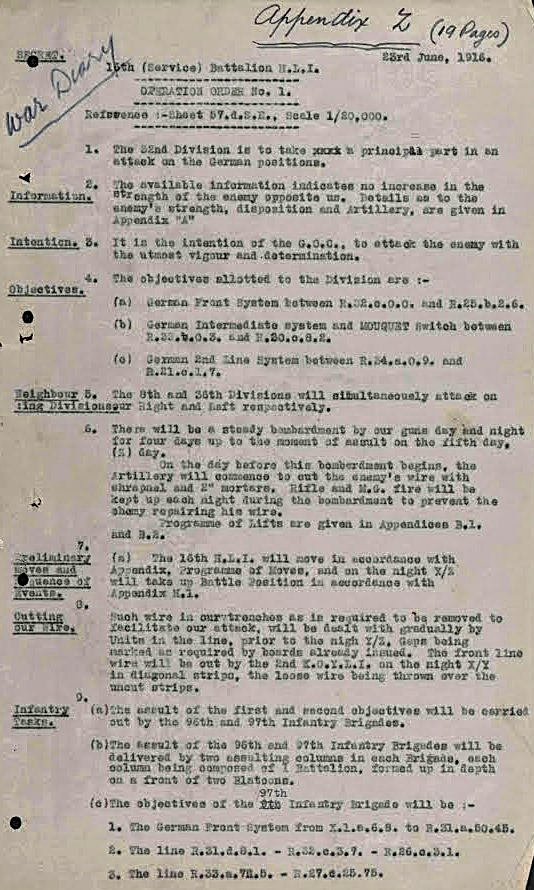
War Diary Appendix 2 (Battalion and Division plan for 1st July 1916) (1) |
— |
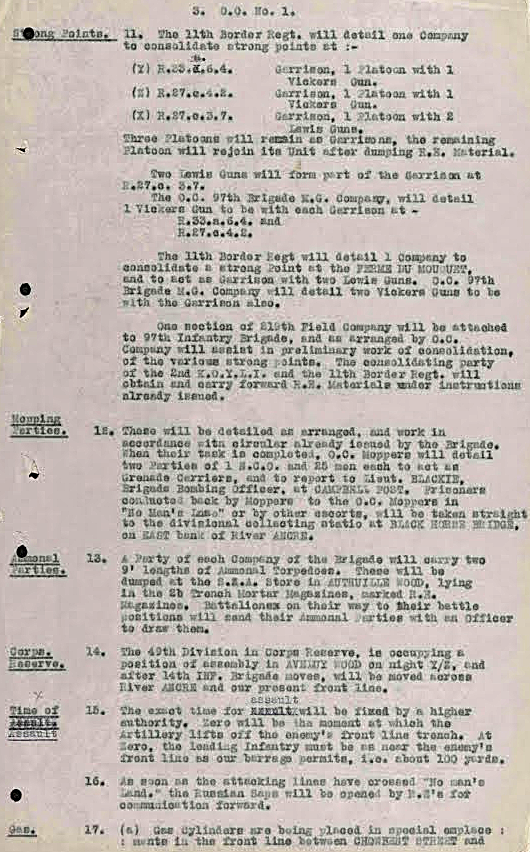
War Diary Appendix 2 (Battalion and Division plan for 1st July 1916) (3) |
— |
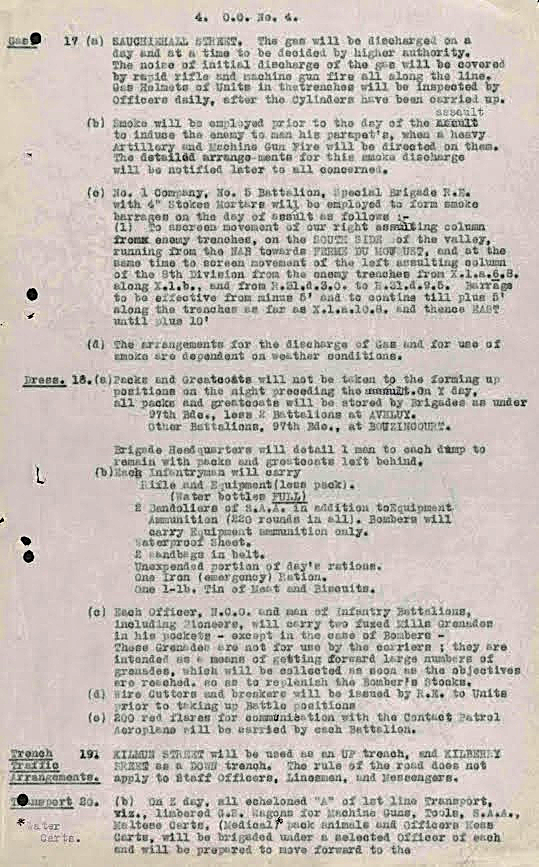
War Diary Appendix 2 (Battalion and Division plan for 1st July 1916) (4) |
— |
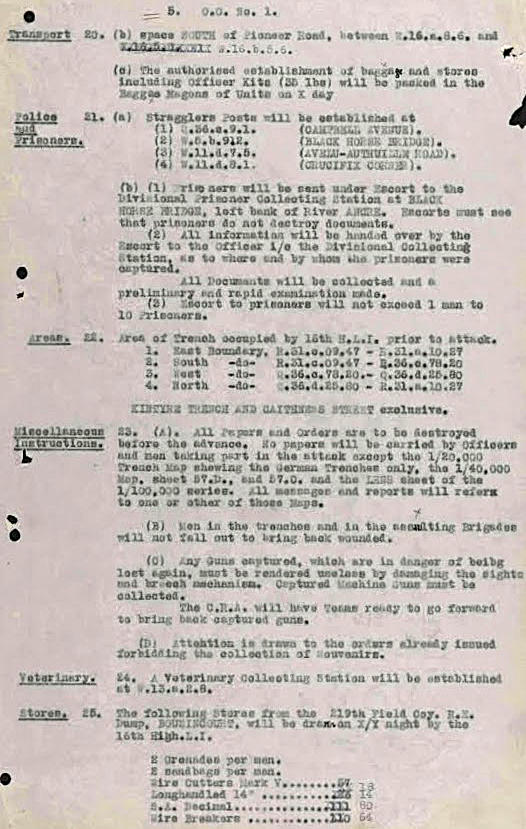
War Diary Appendix 2 (Battalion and Division plan for 1st July 1916) (5) |
— |
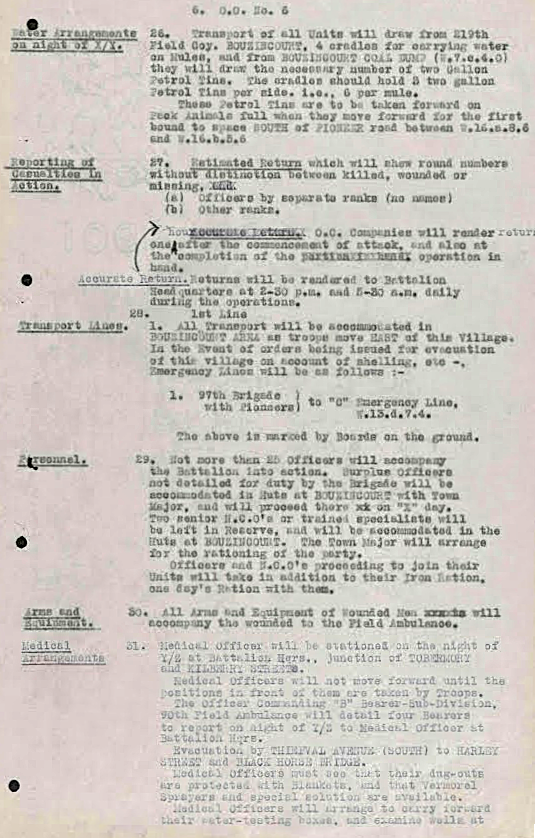
War Diary Appendix 2 (Battalion and Division plan for 1st July 1916) (6) |
— |
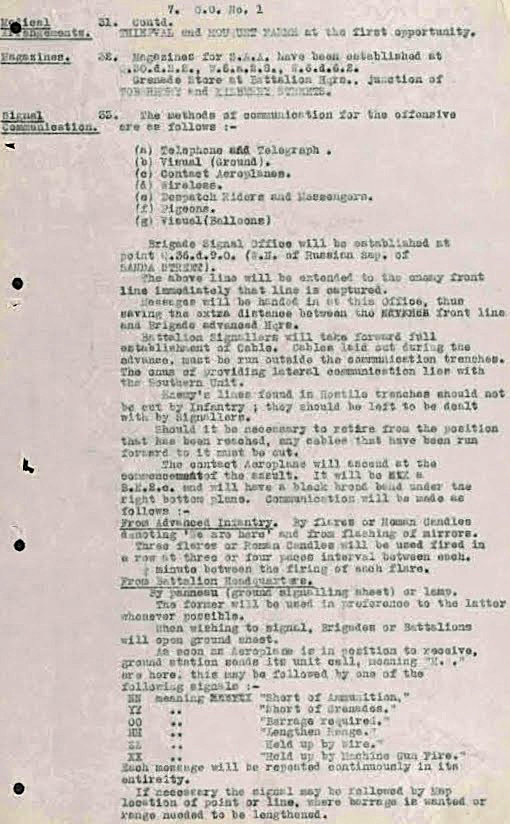
War Diary Appendix 2 (Battalion and Division plan for 1st July 1916) (7) |
— |
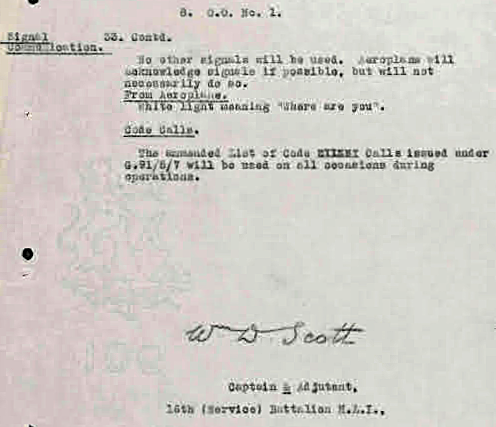
War Diary Appendix 2 (Battalion and Division plan for 1st July 1916) (8) |
— |
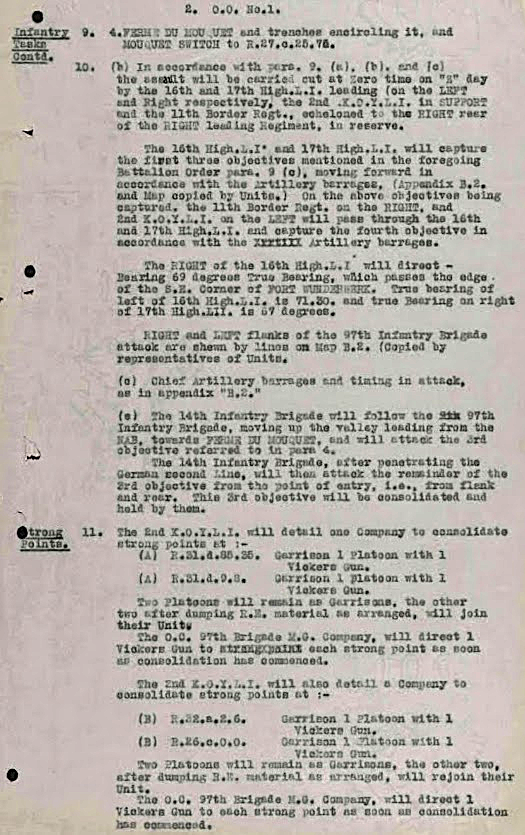
War Diary Appendix 2 (Battalion and Division plan for 1st July 1916 (2) |
— |
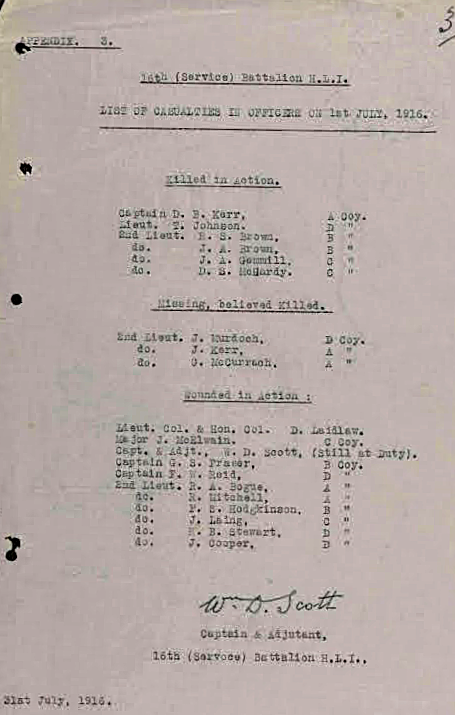
War Diary Appendix 3 (List of Officer casualties 1st July 1916) (1) |
— |
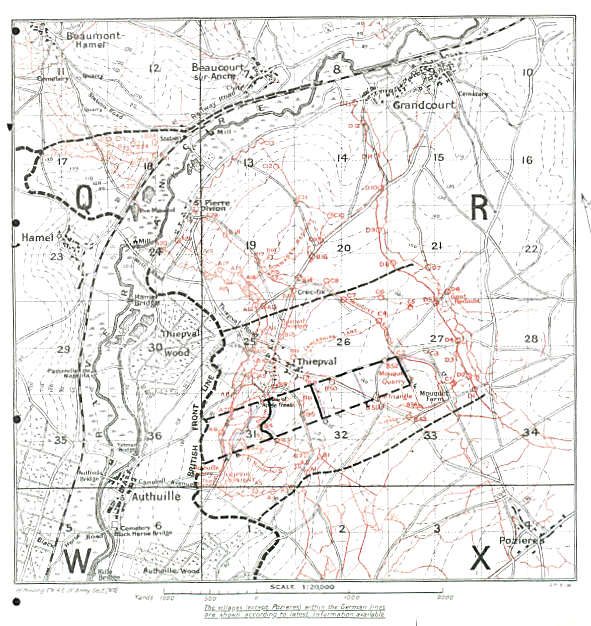
War Diary Appendix 3 (Thiepval map) (2) |
— |